DEATH TOO MANY: NIGERIA MUST ACT AGAINST FAKE DRUGS AND UNSAFE CONSUMABLES – Oluwaseun Ojo
“I’m sorry, I’m not okay. Bose’s mum is dead.”
Those words are painful enough, but what makes them even more heartbreaking is that this would be the third such devastating news within five months. Three painful reminders of how fragile life can be, leaving families grieving and loved ones struggling to come to terms with their loss.
At what point do we stop receiving such news with sorrow and begin asking the difficult questions? How many more families must mourn before the safety of the medicines we take, the beverages we drink and the products we consume becomes a national priority?
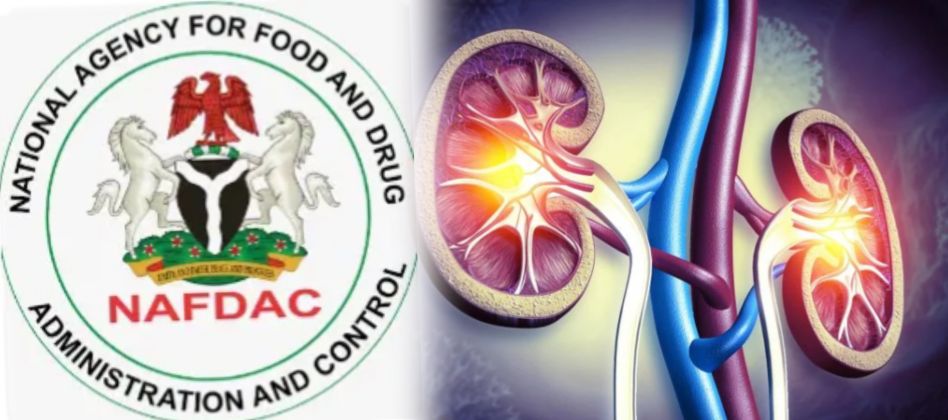
Kidney disease has several causes, including hypertension, diabetes, infections and genetic conditions. However, certain harmful substances and the misuse of medicines can also damage the kidneys. The safety of medicines, beverages, herbal preparations and other consumables must therefore be treated as a matter of life and death.
According to the World Health Organization, an estimated 20,045 Nigerians died from chronic kidney disease in 2019, the highest estimated number among countries in the WHO African Region. The WHO has also estimated that at least one in ten medicines in low and middle income countries is substandard or falsified.
Behind every statistic is a human life, a grieving family and a future cut short. Kidney failure can force families to exhaust their savings to pay for dialysis and other treatments, while some struggle to access care altogether. Nigeria cannot afford to treat this growing concern with indifference.
Under the leadership of the late Prof. Dora Akunyili, the former Director-General of the National Agency for Food and Drug Administration and Control (NAFDAC), Nigeria witnessed a determined campaign against counterfeit and substandard medicines. Her courage and commitment made the fight against fake drugs a national concern and established a powerful example of what purposeful regulatory leadership can achieve.
Her legacy must be more than a fond memory. NAFDAC and other relevant agencies must demonstrate the same urgency through stronger surveillance, rigorous product testing, timely recalls and effective enforcement. Manufacturers and distributors who knowingly endanger lives must face the consequences of the law.
Credible reports linking products to kidney damage must trigger prompt scientific investigation. Where products are found unsafe, the public deserves clear warnings and decisive action. The government must also improve public education on self-medication, unverified herbal remedies and the dangers of misusing medicines.
How many more lives must be lost?

Every death that might have been prevented raises difficult questions. Were complaints investigated? Were dangerous products detected? Did the authorities act in time?
We must be careful not to attribute every case of kidney disease to fake drugs or unsafe beverages without scientific evidence. But that caution must never become an excuse for inaction. Government agencies must investigate credible concerns, publish their findings and be accountable for their responsibilities.
The public deserves more than statements of concern after tragedies occur. Nigerians need effective regulation, accessible kidney screening, reliable health information and confidence that the products they consume meet required safety standards.
The words, “I’m sorry, I’m not okay. Bose’s mum is dead,” should not become just another painful message that fades with time. They should remind us that behind every loss is a family whose world may never be the same again.
Nigeria must not wait for another Dora Akunyili to remind it that human life is more valuable than profit. The government must act, regulators must be vigilant, and those who put dangerous products on the market must be held accountable.
How many more families must mourn before protecting the lives of Nigerians becomes the urgency it deserves?
No more preventable deaths. No more excuses. Human life must come first.